Guide4 min read
ASMR Tingle Immunity: Why It Happens and How to Reset
Updated · by the nasmr team
Tingle immunity is the name listeners give to the moment when ASMR that used to work stops working. A sound that once gave you tingles within seconds now does very little, even though nothing about it has changed. It is common, it is usually not permanent, and there are practical steps that often help. This guide explains the likely reasons, how to run a simple reset, and which nasmr sounds are useful while you do it.
What people mean by tingle immunity
The term comes from the ASMR community, not from a medical or scientific definition, so treat it as a handy description rather than a diagnosis. It usually shows up after a period of heavy, repeated listening: the same videos or sounds, often every night, until the tingles come later, feel weaker or stop.
It can feel disappointing, especially if you used ASMR to wind down. The key point is that this is a change in your response to a particular sound, not a sign that you have lost the ability for good. Many people report that the response comes back.
Why it may happen
The most common explanation is habituation, the general tendency of the brain to react less to a stimulus it has met many times. A fresh sound is surprising and detailed, and the same sound heard fifty times is predictable. That idea is a reasonable guess, but it is not something the two studies we cite have tested, so we present it as a likely cause, not a proven one.
Other everyday factors matter too. Volume that creeps up night after night, tiredness, stress, listening on speakers instead of headphones, or trying hard to feel something can all dull the effect. Barratt and Davis (2015) describe the many triggers and reasons for listening that viewers report, which is a reminder that the response depends on context as well as on the sound.
How to reset, step by step
First, take a break. A few days without ASMR is a common suggestion, and some people take longer. Do not treat the break as a punishment; use it to sleep well and let the novelty rebuild.
Second, come back with the volume lower than before. Quieter listening makes small details stand out again. Third, switch the type of trigger. If you wore out fast tapping, try slow wooden tapping or soft brushing. If whispers stopped working, try crinkles or a textured mix. Fourth, change the setting: a different time of day, a different room, or headphones instead of a speaker.
Last, stop chasing the tingle. Listening to wait for a feeling can make it harder to arrive. Aim for calm, and treat tingles as a bonus.
Sounds that help while you reset
Because the tapping and crinkle layers on nasmr are generated live, their rhythm never repeats exactly, which helps with predictability. Still, variety between sounds is what matters most. Fast Nail Tapping is one of the sharpest, intensity 3 sounds in the catalog and is best saved for after a break. Scratching & Tapping Mix layers several textures at once, which makes it harder for your ear to settle into a pattern.
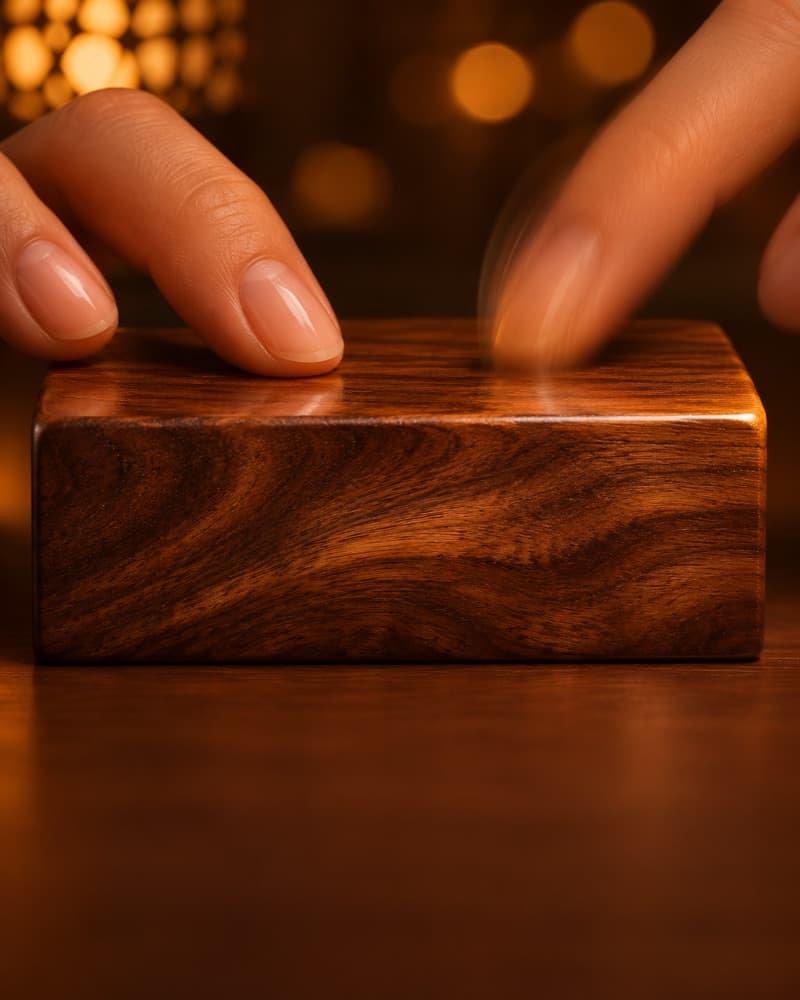
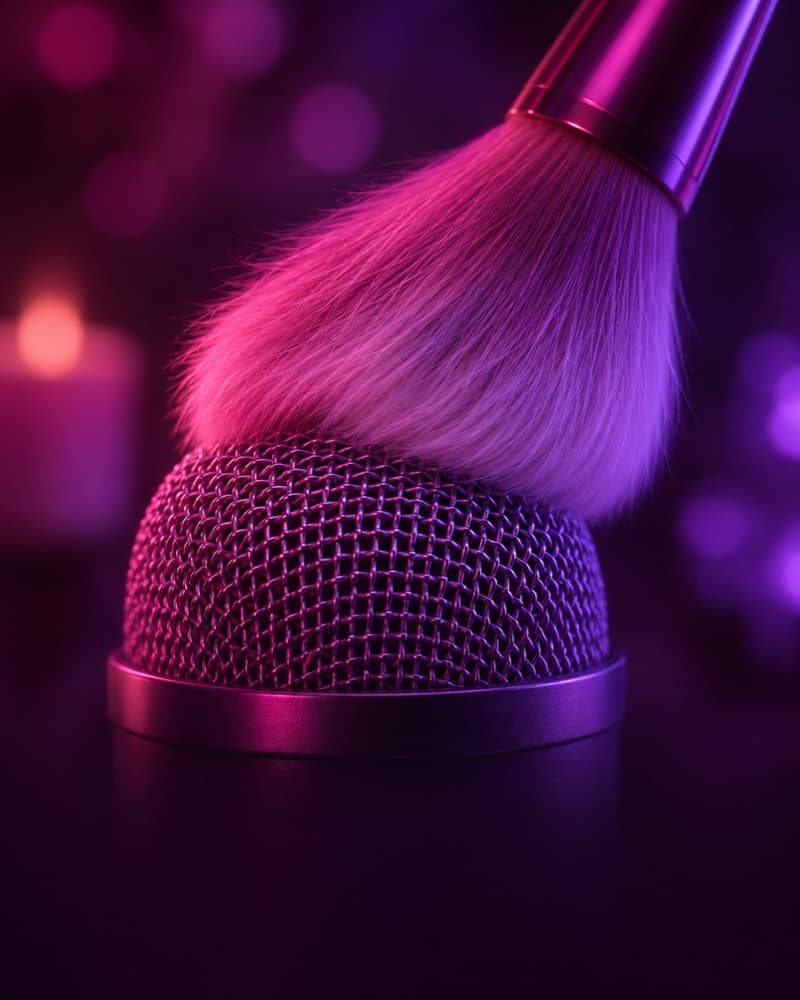
Slow Wooden Tapping and Soft Mic Brushing are gentler, intensity 2 options that sweep between your ears. If you use headphones, the 3D and binaural collection gathers the sounds that rely most on left-to-right movement, and the tingles collection lists the strongest triggers first.
When it is not about tingles at all
You can lose the tingles and still get the calm. Poerio and colleagues (2018) measured a lower heart rate in people who experience ASMR while they watched triggering videos, which suggests a relaxed body state is part of the picture and not only the tingly feeling. If the sensation fades but you still feel settled, the sounds are doing their job.
If you are using sound to sleep and it no longer seems to help over several weeks, that is worth raising with a doctor. ASMR and noise are relaxation aids, not medical treatments.